Modified Workouts: What does that mean?

Modified Workouts: What Does That Mean?

In the fast-paced world of fitness, trends and terminologies are constantly evolving. One term that has gained significant traction in recent years is “Modified Workouts.” A term that used to be equated as less than has now been rightfully rebranded as an empowerment for success. Yet still some people maybe apprehensive to modify their workout and instead opt to not try movements at all.

If you’ve ever wondered what this phrase entails and how it can benefit your fitness journey, you’re in the right place. Today, we’ll explore the concept of modified workouts, understand what it means, and delve into the various ways it can be applied to achieve your fitness goals.

Defining Modified Workouts

Modified workouts, simply put, are exercise routines tailored to suit individual needs and capabilities. These modifications can be applied to any fitness program, including strength training, cardio, yoga, or even high-intensity interval training (HIIT). The primary goal of modified workouts is to make exercise accessible and safe for people of different fitness levels, ages, body types, and physical conditions.

Personalization is Key

No two individuals are exactly alike, and this principle holds true for fitness as well. A one-size-fits-all approach to exercise often falls short of delivering the desired results or, even worse, leads to injuries. Modified workouts take a more personalized approach by considering factors such as fitness level, any pre-existing health conditions, injuries, and age. Just because its modified doesn’t mean its less effective. It’s just working at the level you feel in that moment. There are some days I choose to modify movements and that’s okay.

Inclusivity and Accessibility

One of the most significant advantages of modified workouts is their inclusivity. By tailoring exercises to an individual’s abilities, virtually anyone can participate in physical activities regardless of their limitations. Whether someone is recovering from an injury, dealing with a chronic health condition, or is new to exercise altogether, modifications open the doors to a world of fitness opportunities. Don’t judge a book by its cover. When I came back from my ankle injury I couldn’t do high impact exercises. I was in a group fitness class and made the teacher aware of my limitations. I was discouraged and disappointed when she didn’t offer modifications for some of the exercises. I knew how to modify but what if the person didn’t? Despite my fit physique my body was only capable of low impact exercises. Sometimes you have to slowdown to speed up.

The Role of a Qualified Trainer

While modifications sound promising, it’s essential to have guidance from a qualified fitness trainer or coach. These professionals can assess your individual needs, strengths, and weaknesses and design a workout plan that aligns with your objectives. A skilled trainer will also ensure that you’re performing exercises with the right form, minimizing the risk of injuries and maximizing the benefits. One of my gifts is adapting as a fitness professional I am always keeping in mind people need options. In the FaithFueled Life app, I often offer multiple options to each exercise.

Examples of Modified Workouts

  1. Beginner-Friendly Exercises: For newcomers to the fitness realm, modifications can mean starting with simpler versions of complex exercises. For instance, beginners might do knee push-ups instead of full push-ups or assisted squats using a resistance band.
  2. Low-Impact Cardio: Individuals with joint issues, recovering from injury or who are overweight may find high-impact exercises too taxing on their bodies. Modified cardio workouts could involve low-impact options like cycling, swimming, or elliptical training.
  3. Post-Injury Rehabilitation: If someone is recovering from an injury, a modified workout plan might focus on targeted exercises to aid in the recovery process. This could involve specific stretches, mobility exercises, and strength training to rebuild affected areas.
  4. Pregnancy Fitness: Pregnant women can benefit from tailored workouts that accommodate the changes their bodies are undergoing. These modifications might involve avoiding certain exercises and incorporating pelvic floor exercises and prenatal yoga.
  5. Age-Appropriate Workouts: As we age, our bodies go through changes that require a different approach to fitness. Modified workouts for older adults might emphasize balance, flexibility, and exercises that improve functional fitness.

The Flexibility of Modified Workouts

Another advantage of modified workouts is their adaptability to changing circumstances. Life is unpredictable, and there will be times when sticking to a regular exercise routine becomes challenging. Whether it’s due to time constraints, travel, or illness, modifications can help you maintain some level of physical activity, preventing major setbacks in your fitness journey.

Beyond Physical Benefits

Modified workouts not only benefit us physically but also have positive effects on mental health. When you can engage in exercise without feeling overwhelmed or discouraged, they are more likely to enjoy the process and experience the uplifting effects of physical activity. This, in turn, promotes adherence to a consistent fitness routine and enhances overall well-being.

Modified workouts are powerful tool

Modified workouts are a powerful tool that empowers individuals to take charge of their fitness journey. By customizing exercises to suit individual needs, these workouts foster inclusivity, accessibility, and safety. Whether you’re a fitness enthusiast or a beginner, working with a qualified trainer to develop a modified workout plan can be the key to unlocking your full potential and achieving your fitness goals.

Remember, fitness is not a destination but a lifelong journey, and embracing modifications along the way can make that journey all the more enjoyable and rewarding. So, lace up your sneakers, find the right modifications for you, and embark on a fitness adventure like never before!

Debunked: The effects of Intermittent Fasting on your metabolism

I’ve been in the fitness industry for over seven years, and there are a few things I have been wrong about or new studies to prove wrong. In the quest for achieving a faster metabolism and shedding those unwanted pounds, countless myths and misconceptions have emerged over the years. From trendy diets to lifestyle practices, many believe they hold the key to boosting metabolism. However, as science continues to advance, we’re learning that some of these ideas are simply not as effective as we once thought. In this blog post, we’ll debunk some common metabolism myths.

Intermittent Fasting: The Time-Restricted Eating Trend

Intermittent Fasting (IF) gained popularity for its claims of improving metabolism and promoting weight loss. Restricting eating to specific time windows seemed logical, with proponents suggesting it boosted fat-burning and insulin sensitivity. However, recent studies have shown mixed results, indicating that the benefits may not be as significant as initially believed. Moreover, IF may lead to unhealthy eating patterns and trigger overeating during non-fasting hours. After some research and studies, I have to admit I was wrong. I used to practice and suggest Intermittent fasting but now that I am in my forties I am learning that it may have been harmful to my metabolism and those I suggested it to for various reasons. I am here to set the record straight and offer an explanation and solution to what I thought was a good idea.

What is intermittent fasting?

Intermittent fasting (IF) is a dietary approach that involves cycling between periods of eating and fasting. While some people have reported positive effects on weight loss and overall health with intermittent fasting, it is essential to understand that the impact on metabolism can vary from person to person. The claim that intermittent fasting slows down metabolism is not entirely accurate in all cases,(it all depends on the individual) but some factors can contribute to this perception:

Caloric Restriction in Intermittent fasting will affect your metabolism

Intermittent fasting often leads to a reduction in overall caloric intake, especially if not properly managed. When you consume fewer calories than your body needs to maintain its current weight, it can trigger a metabolic adaptation response to conserve energy. In this case, your body may lower its metabolic rate to adapt to the reduced caloric intake.

Caloric restriction is a dietary practice in which individuals consume fewer calories than their usual intake. It has been studied for its potential health benefits and its effects on metabolism. While caloric restriction can have some positive effects on health, it can also slow down metabolism in certain circumstances. Here’s how that happens:

Adaptive thermogenesis in Caloric Restriction

When you consistently consume fewer calories than your body needs, it interprets this as a state of limited food availability or famine. As a survival mechanism, your body responds by reducing energy expenditure to conserve energy. This is known as adaptive thermogenesis, where your body becomes more efficient in utilizing the available energy, leading to a slowdown in metabolism.

Reduced thyroid hormone production in a Caloric Restriction

Caloric restriction can lead to a decrease in the production of thyroid hormones, specifically triiodothyronine (T3) and thyroxine (T4). These hormones play a critical role in regulating metabolism. Lower thyroid hormone levels can lead to a decrease in basal metabolic rate (BMR), which is the number of calories your body burns at rest.

Loss of lean muscle mass in a Caloric Restriction

In some cases of extreme caloric restriction or crash diets, the body can turn to break down muscle protein for energy. Since muscle tissue is more metabolically active than fat tissue, the loss of muscle mass can contribute to a reduction in the overall metabolic rate.

Hormonal changes in a Caloric Restriction

Caloric restriction can impact the levels of various hormones involved in metabolism regulation, such as insulin, leptin, and ghrelin. These hormonal changes can affect hunger and satiety cues and alter energy expenditure.

Decreased non-exercise activity thermogenesis (NEAT) in a Caloric restriction

NEAT refers to the calories burned through daily activities that are not intentional exercises, such as fidgeting, walking, or standing. During periods of caloric restriction, people may subconsciously reduce their activity levels, leading to a decrease in NEAT and a lower overall calorie expenditure.

It’s important to note that the extent to which caloric restriction affects metabolism can vary depending on the individual, the duration and intensity of the restriction, and other factors like age, sex, and body composition.

Effects of Intermittent Fasting on your body

While caloric restriction can be beneficial for weight loss and certain health conditions, prolonged and severe restrictions should be approached with caution. It is essential to strike a balance between reducing calorie intake and providing the body with adequate nutrients to maintain metabolic health and overall well-being.


Muscle Loss is a result of Intermittent Fasting in your body

Severe caloric restriction during intermittent fasting may lead to muscle loss. Muscle tissue is metabolically active, meaning it requires more energy to maintain compared to fat tissue. When you lose muscle mass, your resting metabolic rate may decrease as well.

Stress Response is a result of Intermittent Fasting in your body

Intermittent fasting, particularly when combined with inadequate nutrition or high-stress levels, can trigger the release of stress hormones like cortisol. Elevated cortisol levels can hinder metabolism and lead to various health issues.

Inconsistent Eating Patterns result from Intermittent Fasting in your body

Irregular eating patterns can disrupt the body’s natural metabolic rhythm, making it difficult for your metabolism to function optimally. Consistency in meal timings and nutrient intake is essential for a healthy metabolism.

Nutrient Deficiency is a result of Intermittent Fasting in your body

Intermittent fasting may increase the risk of nutrient deficiencies if not carefully planned. Insufficient intake of essential vitamins and minerals can impact various metabolic processes in the body.

Slowed Thyroid Function is a result of Intermittent Fasting in your body

Some studies have suggested that long-term intermittent fasting might lead to decreased thyroid hormone levels. Thyroid hormones play a crucial role in regulating metabolism, and any disruption in their levels can affect the metabolic rate.

Every BODY is different

It’s important to note that not everyone experiences a slowdown in metabolism with intermittent fasting. The extent of the impact depends on factors such as individual metabolism, the specific fasting protocol followed, overall diet quality, and lifestyle choices. I used to recommend Intermittent fasting as a general tool to help with weight loss but after working with hundreds of women I realized it’s not for everybody and there can be some adverse effects especially if prolonged and as we age. There are popular weight loss programs that are based on the science of intermittent fasting and although they help. Without the program, the results not always can be sustained. I want to help you create sustainable changes in your wellness journey and keep you off the constant diet cycle.

Mitigate negative effects on metabolism

To mitigate potential negative effects on metabolism, it is crucial to approach intermittent fasting responsibly and consider the following:

  1. Choose a well-balanced, nutrient-dense diet during eating periods to ensure adequate nourishment.
  2. Avoid extreme caloric restriction and opt for a moderate caloric deficit, if weight loss is a goal.
  3. Stay hydrated and pay attention to hunger cues to avoid overeating during non-fasting periods.
  4. Incorporate resistance training or strength exercises to preserve muscle mass and support a healthy metabolism.
  5. Ensure you are getting enough sleep and managing stress levels effectively.

As with any dietary change, it’s best to consult with a healthcare professional or a registered dietitian to determine if intermittent fasting is appropriate for you and to receive personalized guidance on how to implement it safely and effectively. My friend and Registered Dietitian (RD), Licensed Dietitian Nutritionist (LDN), and consults on all my programs. She is a wealth of knowledge and can help you on your journey.

The truth about your metabolism

In the pursuit of faster metabolism and effective weight management, it’s crucial to distinguish between myth and reality. While the ideas mentioned above have gained popularity over the years, scientific evidence suggests they may not live up to their claims. Rather than relying on quick fixes or fad diets, a more sustainable approach to metabolism and weight management involves a balanced diet, regular physical activity, adequate sleep, and stress management.

Remember, individual metabolism can vary based on age, genetics, and lifestyle factors. Focus on making informed, evidence-based choices that promote overall health and well-being, rather than falling for the allure of quick-fix solutions. Your body will thank you in the long run.

Reference:
A;, M. M. J.-W. (n.d.). Changes in energy expenditure with weight gain and weight loss in humans. Current obesity reports. https://pubmed.ncbi.nlm.nih.gov/27739007/

Understanding Spot Reduction: Why It Doesn’t Work for Women in Their Forties

Many women in their forties desire to lose fat and sculpt specific areas of their bodies. They often wonder if spot-reduction exercises can help them achieve their goals. Spot reduction refers to the belief that targeting particular areas of the body through exercise can lead to localized fat loss. Many clients come to me with a list of places they want to be fixed. “I want to tone my arms, thighs or lift my butt.”

It’s important to understand that spot reduction is a myth, especially for women in their forties. Although, weight accumulates in specific areas. It doesn’t mean it will be reduced in those areas. We will delve into why spot reduction doesn’t work and provide alternative strategies that are more effective for overall body transformation.

By debunking the spot reduction myth and focusing on a holistic approach, women in their forties can achieve sustainable results and improve their overall health and well-being.

The Science Behind Spot Reduction 

Spot reduction is based on the idea that exercising specific muscles in a particular area will lead to fat loss. The human body doesn’t work that way. When you perform exercises, the body burns stored fat as a source of energy from various body parts, not just the targeted area. Fat loss occurs throughout the body, based on genetic factors and individual body composition. Spot reduction exercises may strengthen and tone the targeted muscles, but they won’t directly burn fat in that specific area.

spot reduction

Body Composition and Fat Distribution 

Understanding body composition is crucial in comprehending why spot reduction is ineffective. Women in their forties may experience hormonal changes that affect fat distribution. Hormones, such as estrogen, can influence where fat is stored in the body, often leading to increased fat accumulation around the abdomen, hips, and thighs. This pattern is known as gynoid fat distribution. Unfortunately, spot reduction exercises cannot selectively burn fat from these areas. To achieve overall fat loss, a comprehensive approach is necessary.

Effective Fat Loss Strategies

Instead of focusing on spot reduction, women in their forties should focus on comprehensive strategies promoting overall fat loss and body transformation. Check out my post on the benefits of strength training. The following approaches have been proven effective:

  • Strength Training: Incorporating strength training exercises into your routine helps build lean muscle mass, boost metabolism, and enhance overall body composition. Engaging in full-body strength training workouts will contribute to overall fat loss.
  • Cardiovascular Exercise: Regular aerobic exercise, such as running, cycling, or swimming, promotes calorie burning and overall fat loss. Cardiovascular exercise can help create a calorie deficit, contributing to fat reduction throughout the body.
  • Healthy Lifestyle: Adopting a healthy lifestyle that includes a balanced diet, adequate sleep, stress management, and hydration is essential for overall fat loss. Consistency in healthy habits supports sustainable weight management and optimal body composition.
  • Nutrition and Diet: Focus on consuming a well-balanced diet rich in whole foods, lean proteins, fruits, vegetables, and healthy fats. Calorie control and portion management play a crucial role in fat loss. Prioritize nutrient-dense foods that support overall health and energy levels.

Body Transformation and Sustainable Results

Women in their forties can achieve sustainable body transformation by embracing a holistic fitness and weight loss approach. Remember, the goal should not be to target specific areas but to improve overall body composition, strength, and well-being. Emphasizing healthy habits, regular exercise, and a balanced diet will lead to desirable changes in body composition and overall fitness.

Spot reduction is a common misconception

Spot reduction is a common misconception that women in their forties must let go of. Instead of investing time and effort into spot reduction exercises that promise localized fat loss, focus on a comprehensive approach that includes strength training, cardiovascular exercise, and adopting a healthy lifestyle. By understanding the science behind fat loss, prioritizing overall body transformation, and implementing effective strategies, women in their forties can achieve sustainable results, improve their health, and feel confident in their own skin. Say goodbye to spot reduction myths and hello to a balanced, holistic approach to fitness and well-being. The Faithfueled life app offers a holistic approach to fitness and body transformation.

A holistic approach to your fitness journey

Are you ready to embrace a fitness journey that goes beyond the physical, and nurtures your mind, body, and soul? The FaithFueled Life App is a holistic approach to body transformation that empowers you from the inside out!

Unleash Your Full Potential: Embrace a fitness program that not only sculpts your body but also ignites your spirit. I will guide you through workouts designed to challenge you physically, while our uplifting devotions, meditations, and prayers nourish your soul, unlocking your true potential.

Mindful Workouts: Discover the power of mindfulness as you engage in purposeful workouts. We believe that mental clarity is the foundation for success. Through meditation, breath prayer, 10-minute Bible teachings, and intentional exercises, you’ll develop a profound connection between your spiritual discipline, and body, amplifying your results.

Nourish Your Temple: Fuel your body with the proper nutrition and experience a vibrant transformation from within. Our app offers wholesome, quick, simple recipes catering to your needs, ensuring you’re energized and revitalized throughout your journey.

Goal-Oriented Approach: Define your goals, both physical and spiritual, and watch as they become a reality. With our goal-setting tools and progress-tracking features, you’ll stay motivated and focused every step of the way.

Embrace the Journey: Transformation is not just about reaching a destination; it’s about embracing the process and celebrating every milestone. Let’s embark on this journey together, knowing that the FaithFueled Life App is here to guide you through the highs and lows, turning challenges into triumphs.

Download Now and Start Your FaithFueled Fitness Journey!

Open your heart to the possibilities of a transformative fitness experience that nourishes your mind, body, and spirit. Join us on the FaithFueled Life App today and unlock the true potential within you. Together, let’s build a strong, faith-filled foundation for a healthier, happier you!

How God’s Creation Provides Everything We Need for Well-Being

In the beginning, God created the heavens and the earth in seven days. This incredible act of divine creation not only laid the foundation for our existence but also bestowed upon us everything we need for our well-being. From the vastness of the cosmos to the intricate details of the natural world, each aspect of creation holds profound significance for our physical, emotional, and spiritual health. In this blog post, we will explore how God’s seven days of creation provide everything we need to flourish and lead a fulfilling life.

1. Day 1 – Light and Darkness:

On the first day, God said, “Let there be light,” and there was light. Light represents not only physical illumination but also the clarity and understanding that come with knowledge. In our lives, knowledge and awareness are essential for making informed decisions about our well-being, be it in nutrition, exercise, or mental health. God’s gift of light enables us to see the path to wellness more clearly.

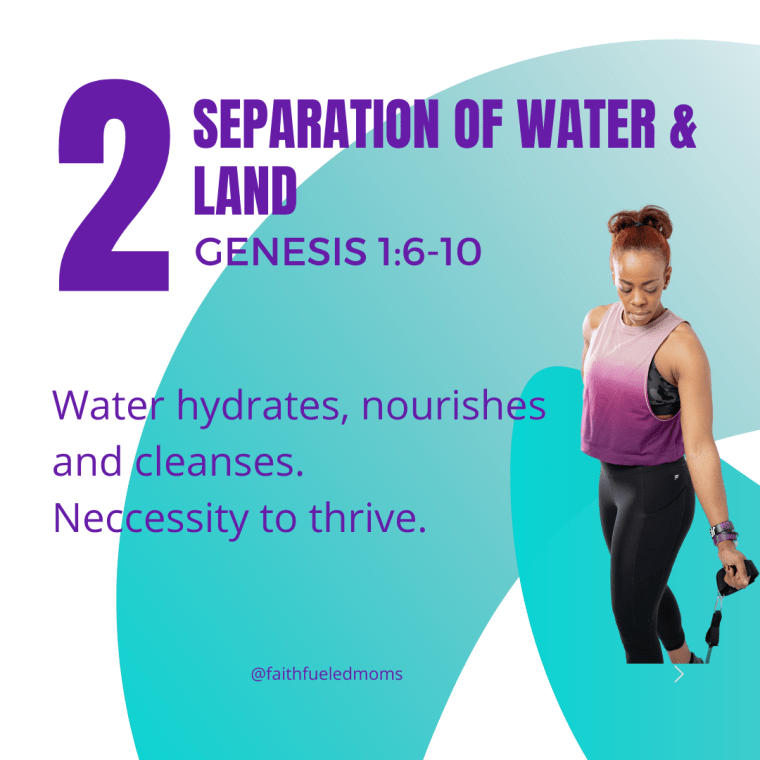
2. Day 2 – Separation and Balance:

God created the expanse to separate the waters, forming the sky. This division reflects the importance of balance in our lives. As we navigate the complexities of modern living, maintaining a balance between work, rest, and recreation is crucial for our overall well-being. Just as God established a clear separation, we too must distinguish and prioritize various aspects of our lives to thrive.

3. Day 3 – Nourishment and Growth:

On the third day, God brought forth vegetation, plants, and fruits. These provide nourishment for both humans and animals, sustaining life and promoting growth. Nutrition is fundamental to our well-being, and God’s provision of a variety of plants and fruits offers us a diverse and balanced diet. By embracing this bounty, we can nurture our bodies and promote good health.

4. Day 4 – Rhythm and Rest:

The fourth day marked the creation of the sun, moon, and stars. The celestial bodies govern day and night, establishing a natural rhythm for life. In a world where we are often consumed by busyness, God’s creation of day and night reminds us of the importance of rest. Embracing a regular sleep pattern and taking time to rest allows our bodies and minds to rejuvenate, fostering optimal well-being.

5. Day 5 – Movement and Vitality:

God filled the seas and skies with living creatures on the fifth day. This act of creation emphasizes the importance of movement and vitality. Exercise and physical activity are vital components of well-being, promoting cardiovascular health, strength, and flexibility. Just as the creatures of the sea and sky move with grace, we too should embrace movement to nurture our bodies.

6. Day 6 – Connection and Community:

On the sixth day, God created animals and humankind. This day represents the significance of connection and community in our lives. Social relationships and a sense of belonging are essential for mental and emotional well-being. Nurturing healthy connections with others enables us to find support, share experiences, and experience the joy of companionship.

7. Day 7 – Rest and Reflection:

The seventh day was a day of rest, where God ceased His work and admired His creation. This day symbolizes the importance of rest and reflection in our lives. Taking time to rest not only rejuvenates us but also allows us to appreciate the wonders of God’s creation. By pausing to reflect on our journey to well-being, we can find gratitude and contentment in God’s provision.

God’s creation provides well being

As we reflect on the seven days of creation, we can marvel at the profound ways in which God has given us everything we need to be well. From the light that illuminates our path to the importance of balance, nourishment, and movement, each element plays a crucial role in our physical, emotional, and spiritual health. By embracing the wisdom inherent in God’s creation, we can lead fulfilling lives, appreciating the divine gifts bestowed upon us and nurturing our well-being in harmony with God’s grand design.

Foods that boost metabolism: The Power of Super Foods

I am a #NOWWellness Influencer. In this post, I have included an affiliate link in this post that I receive a commission from purchases, and I am compensated for my post. All my opinions are my own. My full disclosure policy

In our quest for a healthier lifestyle, many of us aspire to boost our metabolism. A well-functioning metabolism plays a crucial role in maintaining weight, energy levels, and overall well-being. While exercise and regular physical activity are essential, it’s equally important to focus on our diet. Let’s explore a variety of foods that can naturally boost your metabolism and promote overall health. From chili peppers and coffee to nuts and green tea, incorporating these superfoods into your diet can be a game-changer for achieving your health goals. God gave us all that we need to nourish our bodies well through foods that boost metabolism. Check out my post on 100 Healing Foods

Chili Peppers: Spice Up Your Metabolism

If you’re a fan of fiery flavors, you’re in for a treat! Chili peppers contain capsaicin, a compound that not only gives them their spicy kick but also stimulates your metabolism. Research suggests that capsaicin can increase your body’s energy expenditure and fat oxidation, leading to a temporary boost in metabolism.1

Coffee: Kickstart Your Morning

For many, a cup of coffee is the perfect way to start the day. Besides its ability to wake you up, coffee can also help boost your metabolism. The caffeine content in coffee stimulates your central nervous system, promoting the release of fat cells into the bloodstream to be used as fuel. Coffee can increase thermogenesis, the process by which your body burns calories to produce heat.

metabolism boost coffee

Nuts: A Nutritional Powerhouse

Nuts, such as almonds, walnuts, and cashews, are not only delicious but also packed with essential nutrients. These nutrient-dense foods are rich in protein, healthy fats, and fiber, making them an excellent choice for foods that boost metabolism The combination of protein and healthy fats in nuts helps stabilize blood sugar levels, keeping you feeling satisfied and preventing overeating. You can grab your nuts at nowfoods.com use code FAITHFUELED for 20% off discount.

Tea: Sip Your Way to a Faster Metabolism

Tea, especially green tea, has long been revered for its health benefits. Green tea contains catechins, which are antioxidants that can promote fat oxidation and increase calorie burning. Additionally, the modest caffeine content in tea can provide a gentle metabolic boost without the jitters often associated with high caffeine intake.

Metabolism boost green tea

Balance Hormones with Broccoli and Kale

Hormonal imbalances can negatively affect your metabolism. Incorporating cruciferous vegetables like broccoli and kale into your diet can help balance hormones naturally. These vegetables contain compounds that support detoxification processes in the liver, helping your body maintain optimal hormone levels and supporting a healthy metabolism.

Extra Virgin Olive Oil (EVOO): A Healthy Fat

While it may seem counterintuitive, consuming healthy fats can actually boost your metabolism. Extra virgin olive oil (EVOO) is a prime example of a healthy fat that provides numerous health benefits. The monounsaturated fats in EVOO have been linked to increased metabolic rate, improved insulin sensitivity, and enhanced satiety, all of which contribute to a healthier metabolism.

Turmeric: Spice Up Your Health

Turmeric, a vibrant yellow spice commonly used in curry dishes, contains an active compound called curcumin. Curcumin has been shown to have anti-inflammatory properties and may help boost metabolism by enhancing fat burning and reducing fat accumulation in the body. Incorporating turmeric into your meals or enjoying a cup of turmeric tea can offer these metabolic benefits.

Pomegranate and Quinoa: A Nutrient-Rich Combo

Pomegranate and quinoa are two superfoods that can help boost your metabolism and provide a wide range of nutrients. This super fruit is rich in antioxidants, which can reduce inflammation and support a healthy metabolism. Quinoa, on the other hand, is a complete protein that can help increase your metabolic rate due to its high thermic effect.

metabolism boost pomegrante

Salmon and Soy: Protein Powerhouses

Protein plays a vital role in increasing your metabolism. Foods like salmon and soy are excellent sources of high-quality protein. Salmon is rich in omega-3 fatty acids, which can reduce inflammation and promote a healthy metabolism. Soy products like tofu and edamame are not only packed with protein but also contain compounds that can support hormone balance and metabolic health.

Supreme Super Foods: Avocados, Cinnamon, Flaxseed, and Ginger

Avocados, cinnamon, flaxseed, and ginger are four supreme superfoods that deserve a special mention for their metabolism-boosting properties. Avocados provide healthy monounsaturated fats and fiber, which help regulate metabolism and promote satiety. Cinnamon has been shown to improve insulin sensitivity and regulate blood sugar levels, which are crucial for a healthy metabolism. Flaxseed contains omega-3 fatty acids and fiber, both of which contribute to a faster metabolism. Lastly, ginger can increase calorie burning and improve digestion, supporting overall metabolic function.

Salmon and Tomatoes: Enhancing Skin Health

Looking for ways to reduce inflammation and achieve younger-looking, healthy skin? Incorporate salmon and tomatoes into your diet. Salmon, as mentioned earlier, is rich in omega-3 fatty acids, which can reduce inflammation and promote skin health. Tomatoes, on the other hand, are packed with antioxidants like lycopene, which can protect the skin from damage caused by free radicals and sun exposure.

metabolism boost salmon

Kick-start your metabolism and support overall health with food.

Boosting your metabolism naturally doesn’t have to be a daunting task. By incorporating these foods that boost metabolism into your diet, such as chili peppers, coffee, nuts, tea, broccoli, EVOO, green tea, salmon, turmeric, pomegranate, quinoa, soy, and other superfoods, you can kick-start your metabolism and support overall health. Remember, maintaining a balanced and varied diet, coupled with regular exercise, is key to achieving and sustaining a healthy metabolism. So go ahead and embrace these delicious foods that can transform your metabolism and improve your well-being!

foods that boost metabolism

Reference:

  1. INOUE, N., MATSUNAGA, Y., SATOH, H., & TAKAHASHI, M. (2007, February 23). Enhanced energy expenditure and fat oxidation in humans with high BMI scores by the ingestion of novel and non-pungent capsaicin analogues (capsinoids). Bioscience, Biotechnology, and Biochemistry. https://www.jstage.jst.go.jp/article/bbb/71/2/71_60341/_article/-char/ja/
Subscribe to my Blog

Get the latest posts delivered to your mailbox:

This site is protected by wp-copyrightpro.com